Blender Reviews: What Matters Before You Buy
October 28, 2026
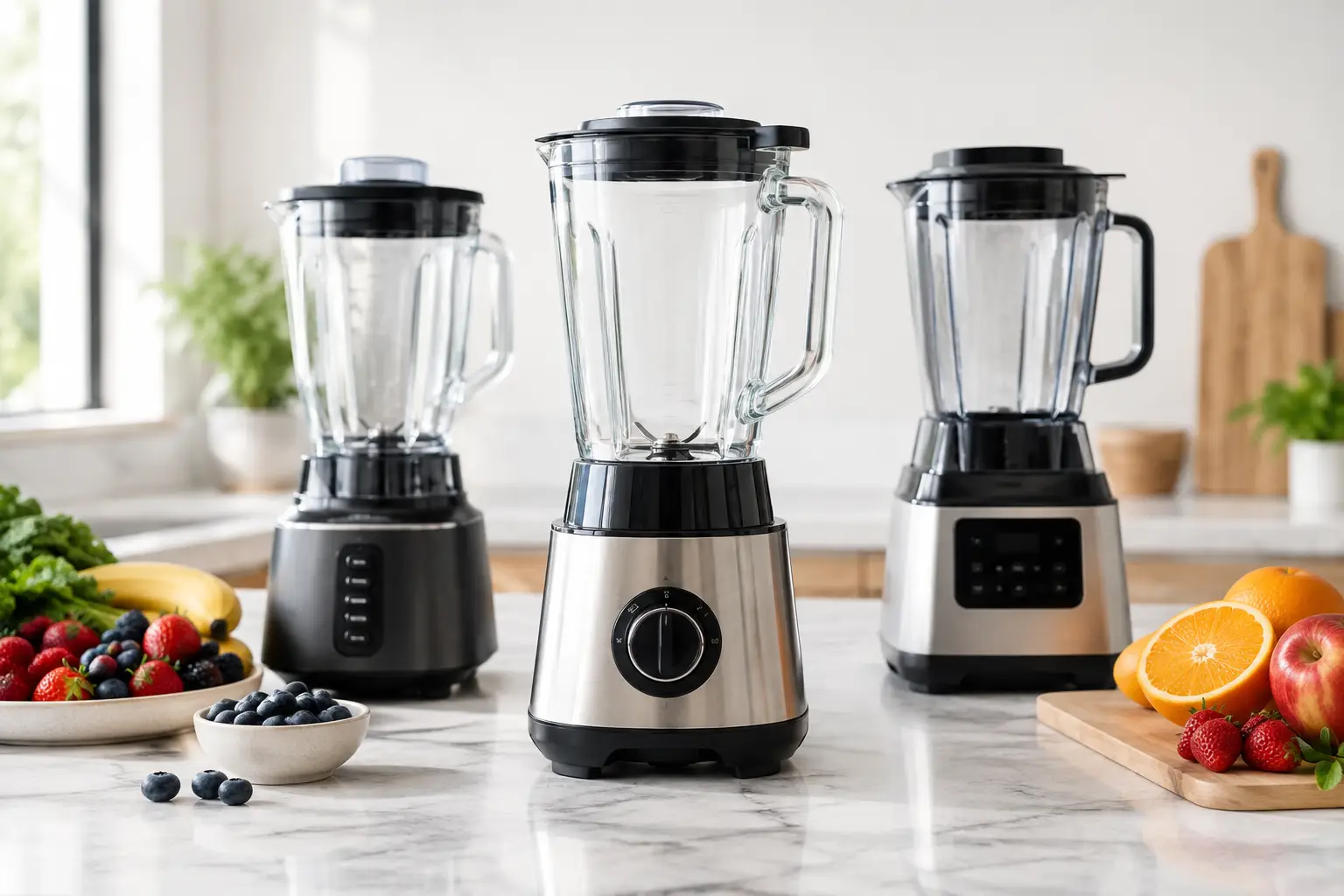
A blender can look like a great deal right up until it leaves frozen fruit stuck above the blades, leaks smoothie down the base, or takes five minutes to clean after breakfast. That is why blender reviews are most useful when they answer a simple question: will this model handle the foods you make often enough to earn its counter space?
For a practical kitchen upgrade, the best blender is rarely the one with the biggest number on the box. It is the one that fits your routine, holds up to regular use, and costs the right amount after a real discount. Here is how to read past the marketing and spot a blender that is actually worth keeping.
Start With What You Plan to Blend
A blender for weekday smoothies has different needs than one for soups, sauces, frozen cocktails, or nut butter. Begin there, before comparing brands or sale prices.
If smoothies are the priority, look for a full-size blender with enough power to pull leafy greens and frozen ingredients toward the blades. A narrow jar can help create a stronger circulation pattern, though it may be less convenient for larger batches. For occasional protein shakes, a personal blender may be all you need. These compact models use travel cups as blending jars, take up little room, and are usually easier to rinse.
Families, frequent hosts, and meal preppers tend to get more value from a full-size blender with a 48- to 64-ounce jar. That capacity gives you room for several servings without filling the container to the brim. If you make hot soups, check the manufacturer instructions carefully. Some standard blenders can handle warm ingredients but are not designed for steaming-hot liquids, especially when the lid is sealed.
High-performance blenders are built for tougher jobs: silky sauces, crushed ice, nut butter, fibrous produce, and repeated use. They can be a smart buy when heavily marked down, but they are not automatic bargains. If your usual job is blending one banana with milk, their extra power, noise, and price may not pay off.
Blender Reviews Should Explain Performance, Not Just Power
Motor wattage is one of the easiest details to compare and one of the easiest to overvalue. More wattage can help with hard or frozen ingredients, but it does not tell the whole story. Blade design, jar shape, programmed settings, and how effectively ingredients circulate all affect the result.
Useful reviews describe what happened with real ingredients. Look for comments about whether ice becomes evenly crushed, whether greens leave noticeable bits, and whether thick mixtures need constant stopping and scraping. A blender that makes a drinkable smoothie but struggles with a small amount of frozen fruit may still be fine for light use. It just should not be priced like a heavy-duty machine.
Pay attention to how a reviewer defines success. “It blended eventually” is not the same as smooth texture in under a minute. Likewise, a blender that needs a lot of added liquid may not suit someone who likes thick smoothie bowls or creamy dips.
Noise deserves an honest look, too. Nearly every capable blender is loud, particularly with ice. The better question is whether it finishes quickly and stays steady on the counter. Reports of excessive vibration, a walking base, or a harsh burning smell are more concerning than ordinary blending noise.
Read Patterns in Customer Feedback
A handful of negative reviews does not make a product bad. Shipping damage, user error, and an occasional defective unit happen with every major appliance brand. The signal is repetition.
When reading customer feedback, scan recent reviews first and look for the same complaint appearing across different buyers. Repeated reports of cracked jars, leaking seals, stripped blade assemblies, or a motor that fails within months deserve attention. So do comments that the replacement part is difficult to find or costs too much.
Positive patterns matter as well. If owners repeatedly mention easy cleanup, reliable ice crushing, and daily use over a year or more, that tells you more than a generic five-star rating. Reviews with photos and specific recipes are often especially helpful because they show how the blender performs outside a polished product page.
Look Closely at the Parts You Will Use Every Day
A blender is not complicated, but its small design details determine whether you reach for it or leave it in a cabinet.
The jar material is one of the biggest choices. Plastic jars are lighter and less likely to shatter, which makes them practical for busy kitchens. They can scratch or hold odors over time. Glass jars feel substantial, resist staining better, and are often preferred for hot or heavily colored foods, but they add weight and can break if dropped. Some premium models use durable, BPA-free plastic designed to handle tough blending without the weight of glass.
Controls should match your cooking habits. A basic dial with low, high, and pulse settings is often enough for simple drinks and sauces. Preset programs can be convenient for smoothies, crushing ice, or cleaning cycles, but only if they work well enough to replace hands-on control. More buttons are not always more useful.
Also check the lid. A secure lid with a removable center cap lets you add liquid while blending, which is useful for dressings and soups. For thick mixtures, a tamper can be genuinely valuable. It helps move ingredients toward the blades without stopping the machine, but it is mainly a feature for powerful full-size blenders.
Cleaning is where a good purchase can become an annoying one. Dishwasher-safe parts are helpful, but easy assembly matters just as much. Read whether food collects under the blade area, whether the gasket is removable, and whether the jar is awkward to wash by hand. A self-cleaning cycle can save time, though it still will not replace a full wash after sticky ingredients.
Compare the Price to the Blender’s Normal Value
A sale price only means something when the product is worth its regular price in the first place. That is especially true with kitchen appliances, where inflated list prices and minor model variations can make a discount look better than it is.
First, identify the exact model number. Retailers sometimes carry exclusive versions with different accessories, colors, or jar sizes. A blender bundled with extra cups may be a better value, but only if you will use them. Do not pay more for accessories that will sit unopened in a drawer.
Then consider the total ownership picture. Does the blender include a warranty that matches its price tier? Can you replace the jar, lid, blade assembly, or personal cups if one part wears out? A low-priced blender with no available replacement parts may be less economical than a better-built model on a meaningful sale.
For many households, the sweet spot is a reliable midrange blender at 30% off or more. That is where strong everyday performance and sensible pricing often meet. Dealzland focuses on those substantial markdowns because a small price cut on a mediocre appliance is still not much of a win.
When a Budget Blender Makes Sense
Less expensive blenders have a place. They are a reasonable choice for dorms, small apartments, occasional entertaining, or anyone who mainly makes soft-fruit smoothies and simple sauces. Keep expectations realistic: you may need more liquid, smaller ingredient pieces, and shorter blending sessions.
Skip the lowest-priced option if you know you will regularly blend ice, frozen bananas, dates, raw carrots, or thick mixtures. Pushing a light-duty motor beyond its limits can lead to frustration and early replacement. Spending a little more during a strong sale is often the cheaper move over time.
A Quick Way to Narrow Your Choices
Before checking out, ask yourself four practical questions: What will I blend most often? How many servings do I need at once? How much cleanup will I tolerate? And is this discount meaningful for this exact model?
Those answers cut through most of the noise in blender reviews. A compact personal model can be the right pick for one person with a morning shake habit. A sturdy full-size model may make more sense for a family that uses it for smoothies, sauces, and weekend pancake batter. The best deal is the blender that gets used, cleaned, and used again - not the one with the most impressive-looking feature list.
When a well-reviewed model hits a real price drop, do not wait for perfection. Choose the blender that fits the meals you make now, leaves room in the budget, and makes everyday kitchen tasks a little easier.