Kitchen Appliance Discount Guide for Smart Buys
July 24, 2026
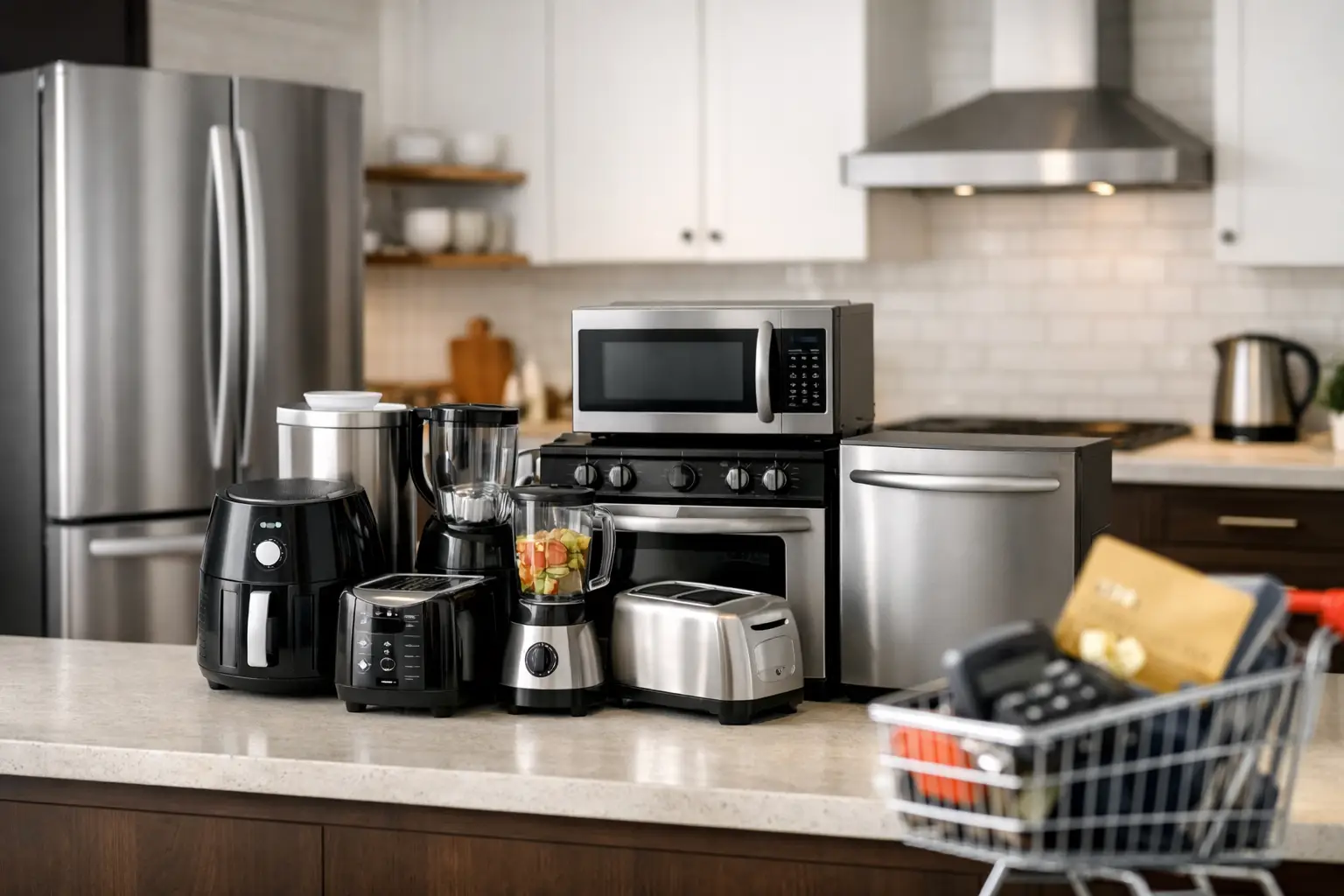
A blender marked down 45% can still be a bad buy if it is loud, underpowered, and headed for the back of a cabinet by next month. A kitchen appliance discount guide should do more than point to a sale price. It should help you recognize the appliances that make everyday cooking easier, hold up to regular use, and cost meaningfully less than they normally do.
For most kitchens, the best deal is not the biggest appliance or the flashiest brand. It is the item that solves a real routine problem: faster weeknight dinners, better coffee at home, less prep work, or fewer takeout nights. Start there, then let the discount decide when to buy.
Start With the Job, Not the Markdown
Before comparing prices, decide what you need the appliance to do. A family making smoothies every morning has different needs from someone who wants an occasional frozen drink. A compact air fryer may be perfect for a renter, while a larger countertop oven makes more sense for a household that regularly cooks for four.
This matters because kitchen appliances come with feature creep. Extra presets, app controls, built-in scales, and oversized capacities can raise the original price without improving your daily experience. If you will not use a feature, do not pay for it just because the product is on sale.
A practical way to narrow the field is to name the task, the available counter or cabinet space, and how often you expect to use the item. Once those three answers are clear, compare only models that fit. You will spend less time scrolling and be less likely to mistake a low price for a good value.
How to Tell Whether an Appliance Discount Is Real
Retail prices move constantly, especially for popular small appliances. A 50% discount sounds excellent, but the percentage alone does not tell you whether the current price is unusually low or simply a frequent promotion.
Check the current price against the product's typical selling range across major retailers. If several stores have it at roughly the same price, it may be the market price rather than a limited deal. If one retailer is substantially lower and the model is current, new, and sold with a normal return policy, that is more likely to be worth acting on.
Also separate a manufacturer list price from a price shoppers actually pay. Many countertop appliances spend most of the year below MSRP. A $200 espresso machine marked down to $130 is not necessarily a standout if it commonly sells for $140. A drop from $140 to $95, however, is a stronger reason to buy if it matches your needs.
At Dealzland, the focus is on discounts of 30% or more because smaller cuts often disappear once shipping, taxes, or retailer pricing patterns are considered. That threshold is a helpful filter, not a rule that replaces judgment. A 25% price cut on the exact stand mixer you planned to buy can beat a 55% markdown on one you do not need.
Compare the Final Price, Not the Badge
A deal is only as good as the amount you pay at checkout. Watch for shipping charges, retailer membership requirements, bundle conditions, and coupons that apply only to select colors or configurations. A lower listed price can lose its edge after these extras are added.
For larger appliances, delivery, haul-away service, and installation can change the math even more. A dishwasher or range with a slightly higher sticker price may be the smarter choice if delivery is included and the retailer has a better service process in your area.
Match the Appliance to Your Kitchen
Counter space is expensive, even when the appliance is cheap. Measure the spot where it will live, including height beneath cabinets and clearance needed for lids, drawers, and doors. This is especially useful for air fryers, toaster ovens, espresso machines, food processors, and stand mixers, which often look smaller online than they feel in a working kitchen.
Think about cleanup, too. A powerful blender is less useful if its parts are difficult to wash and you avoid using it. A waffle maker with removable plates may justify a higher price for a busy family, while a simple fixed-plate model can be enough for occasional weekend breakfasts.
Noise, heat, and storage are also real trade-offs. High-speed blenders and coffee grinders can be disruptive in apartments. Countertop ovens generate heat and need ventilation space. Heavy appliances may stay unused if they must be lifted from a high shelf every time. The right deal fits your actual kitchen habits, not an idealized version of them.
Features Worth Paying For
The best features usually improve consistency, capacity, or cleanup. For a coffee maker, that might mean a thermal carafe, adjustable brew settings, or a water reservoir that is easy to remove. For an air fryer, look at basket size, temperature range, controls you can read quickly, and dishwasher-safe parts.
Build quality matters more than a long feature list. Check whether the lid, basket, knobs, and handles feel designed for repeated use. Read recent reviews for patterns, not isolated complaints. One damaged shipment does not say much. Repeated comments about peeling nonstick coating, leaking seals, broken hinges, or poor customer support deserve attention.
Warranties can be useful, but they should not be the main reason to choose a product. A one-year warranty is common for small appliances. More valuable is a brand with replacement parts, clear support instructions, and a retailer that makes returns straightforward if the appliance arrives damaged or does not perform as expected.
When to Buy Kitchen Appliances
Some promotions are predictable. Major holiday weekends, Black Friday, Cyber Monday, and post-holiday clearance periods often bring strong pricing on countertop favorites and larger kitchen equipment. Retailers also discount last year's finishes, discontinued colors, and older model numbers when new versions arrive.
That does not mean waiting is always the winning move. If your blender broke, a meaningful price drop on a well-reviewed replacement may be better than weeks of searching for a hypothetical lower price. If you have time, watch the category through a sale cycle. If you have an immediate need, set a reasonable target price and buy when a dependable model reaches it.
Seasonality can help at the margins. Air fryers and slow cookers often see heavy promotion around gift-buying periods. Coffee machines can be discounted around major sales events. Outdoor pizza ovens and grilling accessories may be more attractive after peak summer demand. Still, the product's typical price and usefulness matter more than the calendar.
Avoid the Common Deal Traps
Clearance can be excellent, but make sure you are not buying a discontinued item with hard-to-find accessories or replacement filters. This is particularly relevant for espresso machines, water filtration systems, specialty coffee makers, and appliances with proprietary attachments.
Be careful with bundles, too. A package only saves money when you would have purchased the included items anyway. An immersion blender with a whisk and chopper attachment can be practical. A bundle full of duplicate tools can turn a good discount into clutter.
Refurbished appliances deserve a separate decision. They can offer excellent value when sold directly by a manufacturer or a trusted retailer with a clear warranty and return window. The trade-off is that packaging may be imperfect, cosmetic wear may be present, and inventory can be limited. For a high-use appliance, a new unit at a strong discount may be the more comfortable choice.
A Quick Pre-Checkout Test
Before placing the order, ask yourself four questions:
- Would I buy this appliance at its usual price if I needed it?
- Does this model fit my space, household size, and cooking routine?
- Is the final price genuinely lower than its normal selling price?
- Can I return it easily if it arrives damaged or is not what I expected?
If the answer is yes across the board, you have likely found a deal actually worth keeping. If you are mainly excited by the percentage off, leave it in the cart for a day.
The most satisfying kitchen upgrades are the ones you reach for without thinking: the coffee maker that makes mornings easier, the food processor that shortens prep, or the toaster oven that earns its counter space. Buy those when the price is right, and let the rest stay on the shelf.