Smart Thermostat Review for Smarter Home Savings
October 16, 2026
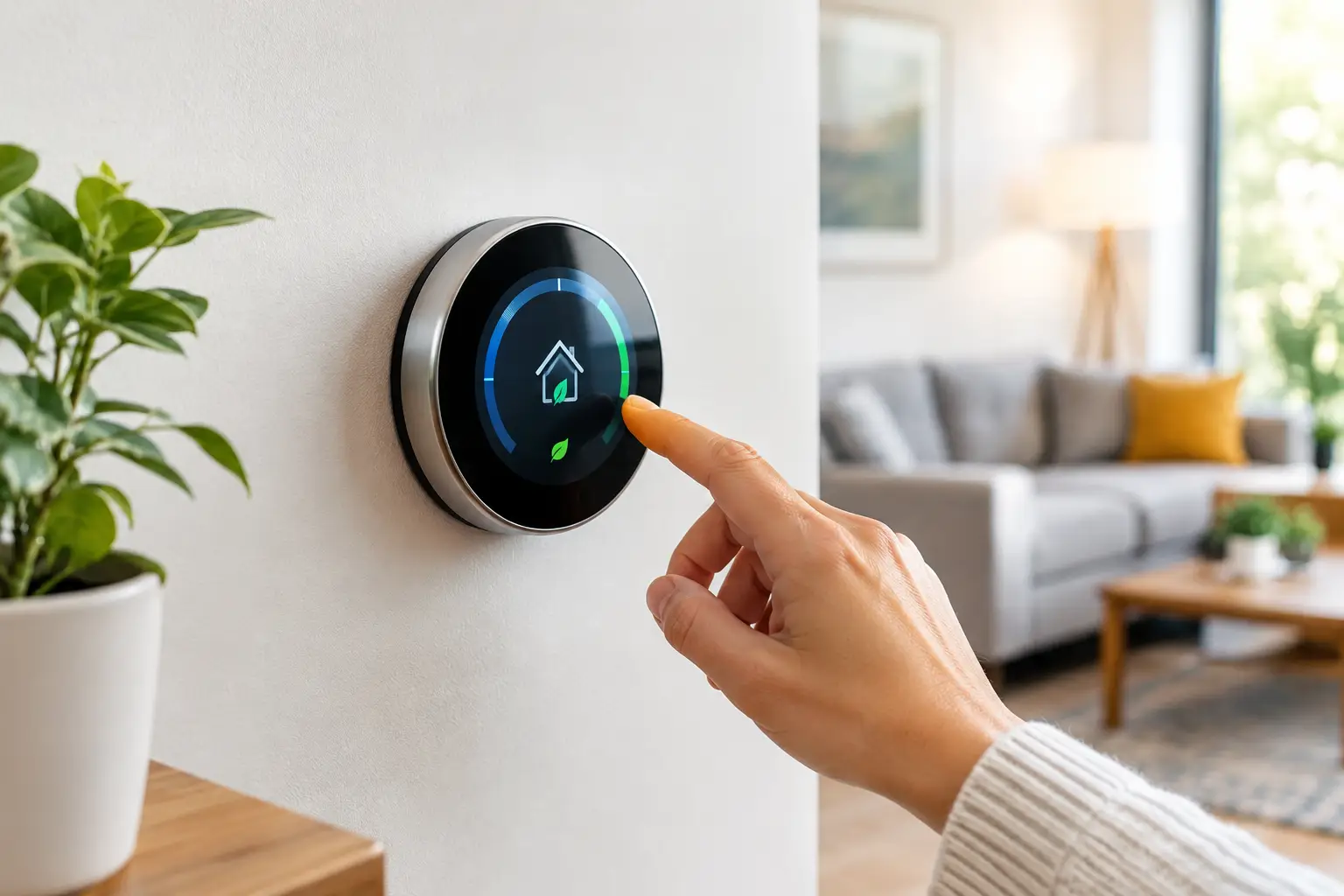
Your thermostat is one of the few home upgrades that can affect your comfort and your utility bill every single day. This smart thermostat review focuses on what matters before you buy: whether it will work with your HVAC system, which features save real effort, and when a sale price makes an upgrade actually worth keeping.
A smart thermostat is not automatically a money saver just because it has an app and a polished display. The best fit depends on your heating and cooling setup, your schedule, and whether you will use the automation after the first week. For many households, the right model can make temperature control easier without turning a simple wall switch into another gadget that needs constant attention.
What a Smart Thermostat Should Do Well
At its most useful, a smart thermostat replaces manual temperature changes with schedules, remote controls, and settings that adapt to your routine. You can lower the heat while everyone is at work, cool the house before bedtime, or check settings from your phone when a trip runs longer than expected.
The practical appeal is consistency. A traditional thermostat works fine if someone remembers to adjust it. A smart model reduces the number of times you have to remember. That can help cut waste, especially in homes where the heat or air conditioning runs for hours in an empty house.
The most worthwhile models generally offer three core benefits: reliable scheduling, clear energy-use information, and remote access through a simple app. Extras such as voice control, room sensors, and automatic learning can be useful, but they should not be the reason you pay a premium unless they solve a real problem in your home.
For example, room sensors are valuable in a two-story home with a hot upstairs bedroom or a chilly living room. They are less essential in a small apartment where the main thermostat already reflects the temperature throughout the space. Paying for features you will not use is not a deal, even at 30% off.
Smart Thermostat Review: The Features Worth Paying For
Compatibility comes first
Before comparing screens, apps, or smart-home brands, check compatibility. Many smart thermostats are designed for standard 24-volt HVAC systems, including central heating and air conditioning. Some are compatible with heat pumps, multi-stage systems, and common furnace setups. Others need a separate accessory or will not work with certain equipment at all.
The most common installation question is whether your existing thermostat has a C-wire, also called a common wire. This wire provides continuous power to many smart thermostats. Some models can work without one by using an included power adapter, a power extender, or battery support. Still, a C-wire usually makes installation simpler and can prevent charging or connectivity issues.
Turn off power to your HVAC system before checking the wiring. Then remove the thermostat faceplate and look at the labeled terminals, not just the number of wires. If you are unsure what you are seeing, take a photo before disconnecting anything. Older homes, high-voltage baseboard heat, and certain proprietary systems may require professional help or a thermostat made specifically for that setup.
Compatibility is the least exciting part of shopping, but it is the part that keeps a deeply discounted thermostat from becoming a return.
Scheduling beats complicated automation
There are two broad approaches to temperature automation. Scheduled thermostats follow the times you choose. Learning thermostats try to build a schedule based on your adjustments, occupancy patterns, or phone location.
A reliable schedule is often enough. If your household has predictable mornings, workdays, school hours, and bedtimes, a basic smart thermostat can do nearly everything you need for less money. Set the temperatures once, make occasional seasonal adjustments, and let it run.
Learning features can make sense for households with irregular schedules, frequent travel, or several people coming and going at different times. The trade-off is that automatic changes can occasionally feel too aggressive. Some people appreciate a thermostat that anticipates their habits; others would rather tell it exactly what to do.
Look for a model that allows both approaches. The ability to override an automated setting quickly matters more than a long list of AI-sounding features.
Room sensors can fix uneven comfort
A thermostat measures temperature where it is installed, often in a hallway. That may not be where your family spends the most time. A remote room sensor can tell the system to prioritize a bedroom, nursery, office, or living room during selected hours.
This is one of the best upgrades for homes with noticeable hot and cold spots, but understand the limit: a sensor cannot fix undersized equipment, poor insulation, leaky windows, or blocked vents. It helps your thermostat make better choices with the system you already have. It does not create zoning where none exists.
If you only need one problem room addressed, check whether sensors are included in the sale bundle. Buying them separately can change the real cost of a thermostat quickly.
Energy reports are helpful, not magical
Many smart thermostats provide monthly reports, estimated savings, and suggestions for adjusting your schedule. These reports can be useful because they reveal patterns you may miss, such as a system running heavily during the afternoon or overnight.
Treat savings estimates as a guide, not a guarantee. Actual results depend on your climate, energy rates, insulation, HVAC efficiency, household size, and preferred indoor temperature. A thermostat cannot make a home efficient if the windows are drafty and the system needs maintenance.
That said, energy reports can support better decisions. If you see repeated runtime spikes, you can investigate filters, vents, weatherstripping, or a schedule that is working harder than necessary.
Choosing the Right Price Tier
A basic Wi-Fi smart thermostat is usually the best value for shoppers who want app control and schedules without a high upfront cost. These models are often the sweet spot when discounted because the main function - controlling heating and cooling around your routine - is already covered.
Midrange models may add a better display, more HVAC support, broader smart-home integrations, and stronger scheduling options. They are worth considering if you have a heat pump, multiple stages of heating and cooling, or want a cleaner interface that everyone in the household can use without instructions.
Premium models tend to add learning features, room sensors, occupancy detection, and design-forward hardware. Buy at this level when those features solve a clear comfort issue, not simply because the thermostat looks better on the wall. A premium model at 30% off can be a strong deal, but only if its installed cost still fits your budget.
Also check for utility rebates. Some local energy providers offer rebates for qualifying smart thermostats, which can make a midrange option cost less than a basic one. Requirements vary, and some programs require enrollment in demand-response events. Read the terms before signing up, particularly if you want full control during periods of extreme heat or cold.
Installation and Daily Use
Most compatible smart thermostats can be installed in under an hour by a careful DIYer. The process usually involves turning off HVAC power, labeling the old wires, attaching the new base plate, connecting wires, restoring power, and following app setup instructions.
The easier question is not whether you can install it. It is whether you want to troubleshoot wiring on a busy weekend. If your system is older, the wiring looks unusual, or the thermostat controls complicated equipment, paying for professional installation may be the more sensible choice. A good sale can still leave room in the budget for help.
Once installed, keep the setup simple. Create a weekday schedule, a weekend schedule, and an away setting. Give it a couple of weeks before making major changes. Constant adjustments make it difficult to tell whether the schedule is helping.
When a Smart Thermostat Is Not the Best Buy
If you rent and cannot change the thermostat, have incompatible heating equipment, or already use a programmable thermostat consistently, the payoff may be limited. The same goes for homes that are usually occupied all day with a steady preferred temperature.
It may also make more sense to spend first on maintenance. Replacing a clogged filter, sealing air leaks, cleaning vents, or servicing an aging HVAC system can improve comfort before you add smart controls.
A smart thermostat earns its spot when it makes everyday heating and cooling easier, not when it adds another screen to manage. Watch for a meaningful discount on a compatible model with the features your home will use, then let the schedule do the quiet work of keeping comfort and spending in better balance.