Storage Solutions on Sale That Earn Their Space
July 20, 2026
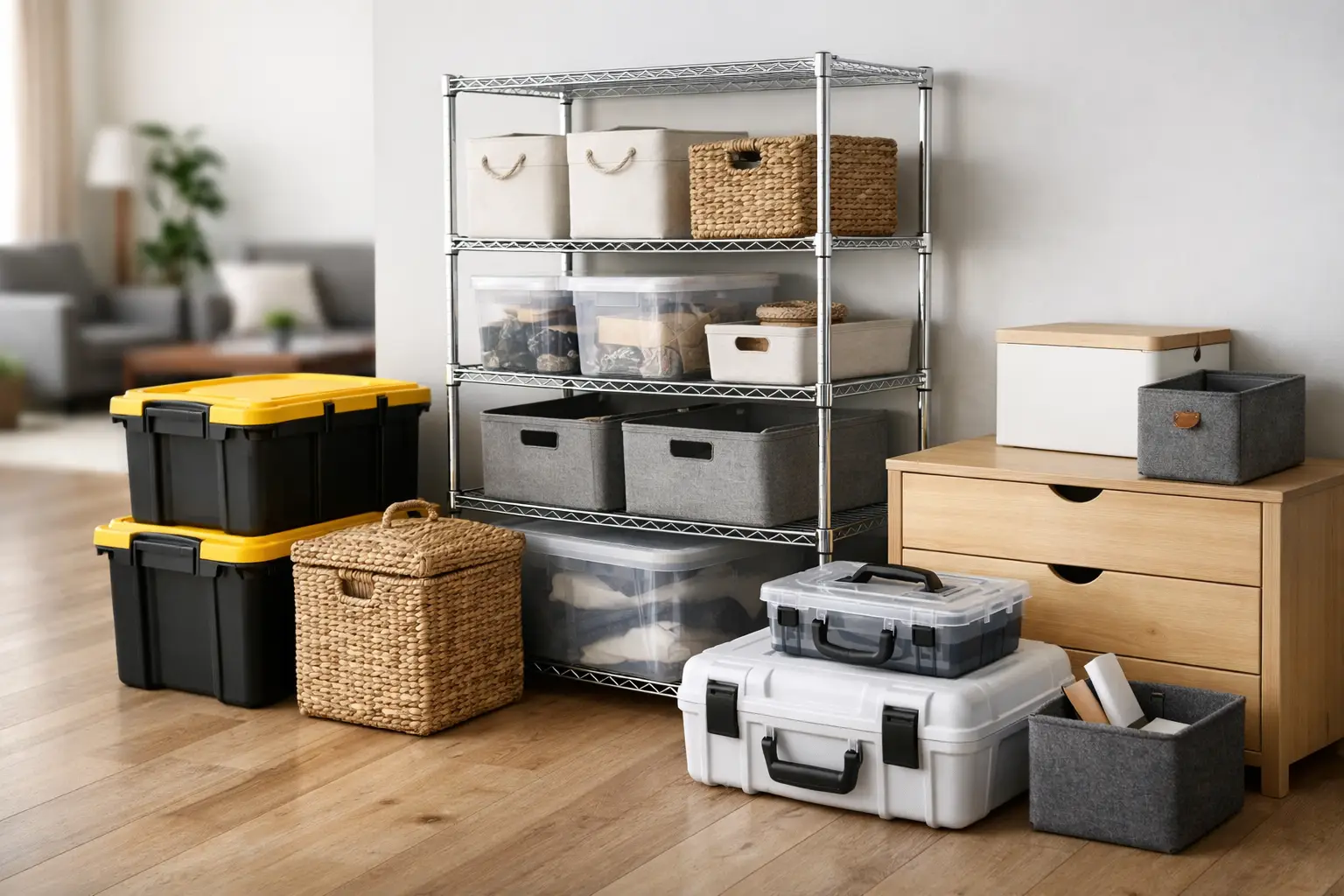
A cheap bin is not automatically a good buy. The best storage solutions on sale solve a specific daily annoyance: the pantry shelf that keeps avalanching, the entryway that collects shoes, or the closet where clean sheets disappear behind mystery boxes. A real deal saves money and makes the room easier to use.
That is why storage is worth shopping with a little more intention than most home categories. It is easy to add a cart full of plastic containers because the price looks low. It is harder, and smarter, to choose the pieces that fit your space, hold up to regular use, and keep doing their job long after the sale ends.
Start With the Problem, Not the Product
Before comparing prices, take a quick look at the space that is frustrating you. Measure the shelf width, cabinet depth, closet floor, or gap under the bed. A storage deal that is two inches too wide is not a deal at all.
Then decide what needs to be contained. Pantry staples need visibility and easy access. Seasonal clothing needs protection from dust and moisture. Kids' toys need something simple enough that cleanup is realistic. The right solution depends on what goes in it, how often you reach for it, and whether the item will be on display.
A useful rule: buy open storage for things you use often and closed storage for things you want out of sight. Open baskets, clear bins, and tiered organizers make sense in a pantry, linen closet, or laundry room. Lidded totes and cabinets are better for off-season gear, extra bedding, paperwork, and visual clutter in living spaces.
Storage Solutions on Sale by Room
Shopping room by room keeps an organizing project from turning into a random collection of containers. It also helps you spot where a higher-quality item is worth paying for, even at a discount.
Kitchen and pantry
Pantry organizers are most helpful when they create usable space, not just a matching look. Stackable clear bins work well for snacks, packets, and baking supplies. Lazy Susans make deep cabinets easier to reach. Can racks, shelf risers, and under-sink pullout organizers can solve common dead-space problems.
Check the inside dimensions of cabinets before buying. Also consider cleaning: smooth plastic and coated metal are usually easier to wipe down than woven materials. Glass food containers can be a strong long-term value for leftovers and meal prep, but they are heavier and less forgiving in busy family kitchens.
Closets and bedrooms
Closet storage should match the category you are trying to control. Slim velvet hangers can free up rod space, while shelf dividers keep sweater stacks from leaning into each other. Under-bed storage is especially useful in smaller bedrooms, but choose low-profile bins with wheels or handles so they do not become hard-to-reach clutter traps.
For clothing, breathable fabric bags are often better than airtight plastic for items stored in a closet. Plastic totes are more practical for a garage, attic, or basement, where dust and pests are bigger concerns. If moisture is an issue, avoid cardboard and consider containers with secure lids.
Bathroom and laundry room
Small rooms reward vertical storage. Over-the-toilet shelving, narrow rolling carts, wall-mounted cabinets, and drawer organizers can create order without taking over the floor. In a humid bathroom, look for rust-resistant finishes and materials that will not warp after a few steamy showers.
Laundry-room deals are most worthwhile when they reduce a repeated chore. A rolling sorter can keep loads separated. A shelf above the washer and dryer can turn unused wall space into a home for detergent and towels. If the room is tight, measure appliance clearance first, including the space needed to open doors.
Entryway, living room, and garage
The entryway needs storage that can handle a daily rush. A bench with cubbies, a shoe rack, and a few durable hooks can keep bags and footwear off the floor. Here, appearance matters because the storage is part of the room. A good-looking piece that also earns its keep is often a better purchase than several small organizers that create more visual noise.
In the garage, choose durability over aesthetics. Heavy-duty shelving, locking cabinets, weather-resistant deck boxes, and clear labeled totes make sense for tools, sports gear, and outdoor supplies. Check weight limits on shelves, especially if you are storing paint, bulk pantry items, or power tools.
What Makes a Storage Discount Worth Taking
A sale price only matters if the original price was realistic and the item fits your plan. Dealzland focuses on discounts of 30% or more because a small markdown on an ordinary organizer rarely changes the value equation. Still, even a steep discount deserves a quick quality check.
Look at the material, capacity, and construction. Thin plastic bins can be perfectly fine for lightweight pantry goods, but they may crack under heavy garage storage. Wire shelving is versatile and sturdy, although small items may need bins or shelf liners. Wood furniture can add warmth and hidden storage, but it requires more attention to dimensions, assembly, and finish quality.
Reviews can help, especially when they answer practical questions: Do drawers slide smoothly? Are the lids actually secure? Does the shelving wobble once loaded? Skip reviews focused only on color or delivery. The useful ones explain how the product performs after weeks or months of use.
It also pays to compare the total setup cost. A discounted shelving unit may need extra baskets, liners, or anchors. A set of food containers may look inexpensive until you realize you need twice as many. Buying a single test item can be wiser than committing to a whole system before you know it works in your home.
Avoid the Sale-Price Clutter Trap
Storage products can create a strange kind of clutter: organizing clutter. It happens when containers are purchased before the items they are meant to hold are sorted, donated, recycled, or tossed.
Start by editing what you already own. Then group like items together and see what volume remains. You may find that one sturdy shelf, a few labels, and two bins solve the problem better than a cart full of trendy organizers.
Avoid buying containers just because they are a set. Sets are useful when every piece has a destination. They are less useful when half the pieces are too small, too tall, or too awkward for your shelves. Matching storage looks tidy, but function should decide the purchase.
Labels matter more than people expect. A clearly labeled bin is easy for everyone in the household to use. Keep labels broad enough to stay useful as needs change. For example, craft supplies is usually more flexible than blue markers, and winter accessories works better than one specific scarf.
Time Your Purchase Around Real Needs
Storage deals tend to show up around home organization season, back-to-school, moving season, and major holiday sales. That can be a good time to buy, but waiting for an event is not always the best choice. If a broken closet system or crowded pantry is making everyday life harder, a meaningful markdown now may be worth more than a slightly lower price later.
For larger pieces such as garage shelving, storage benches, cabinets, and patio deck boxes, watch for shipping costs and delivery details. A great price can lose its appeal if oversized-item fees are high or assembly requires tools you do not have. For smaller organizers, prioritize multipacks only when you know every piece will be used.
The most satisfying storage purchase is not the one with the biggest percentage off. It is the one that gives a busy corner of your home a clear job, keeps it that way, and leaves you with fewer things to manage tomorrow.