Which Vacuum Suits Pet Hair? A Smart Buying Guide
October 8, 2026
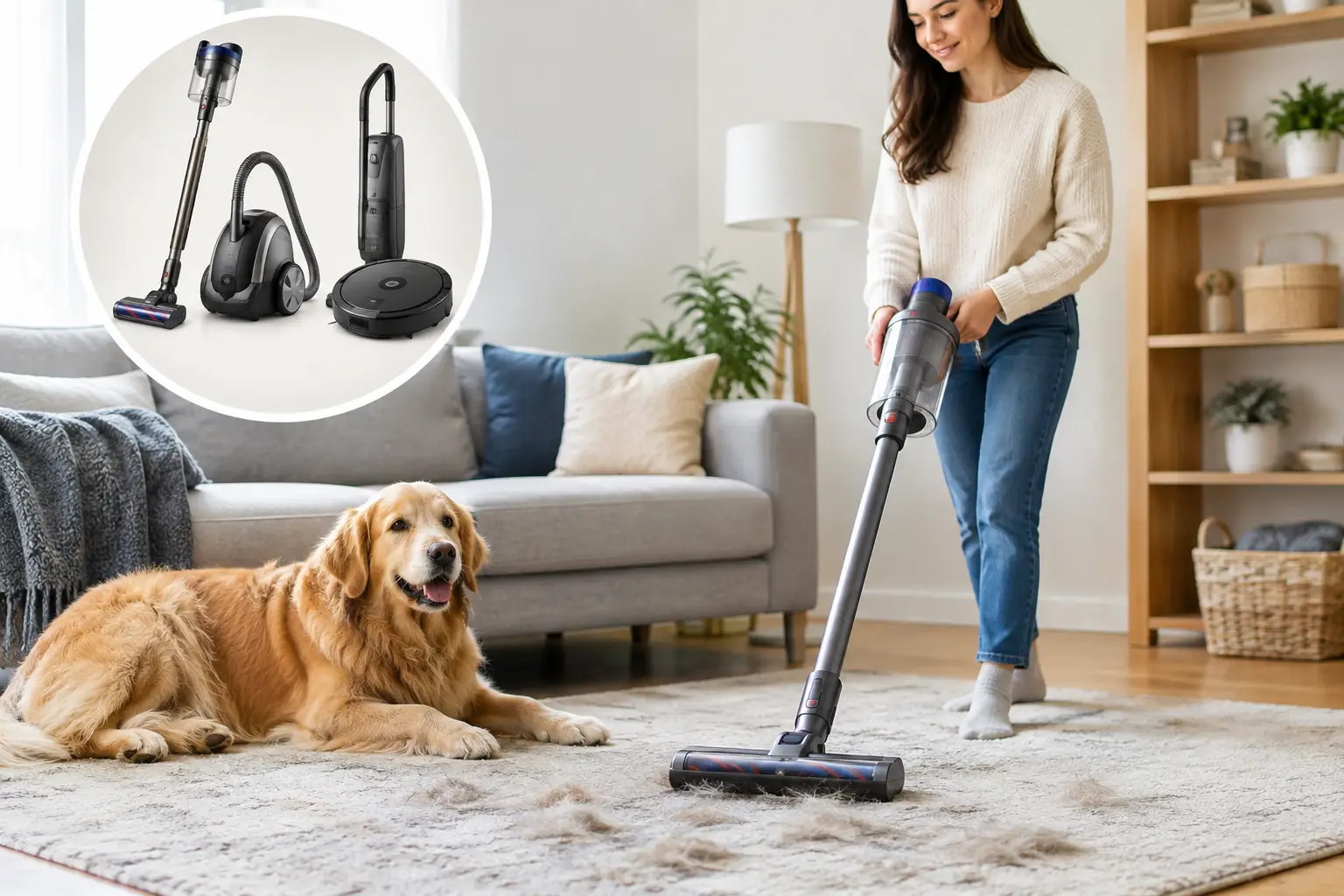
A black sweater on the sofa, tumbleweeds under the dining table, fur pressed into the rug where your dog naps - pet hair has a way of showing up everywhere. If you are asking which vacuum suits pet hair, the best answer is not simply the model with the biggest discount or the highest wattage. It is the one built for your floors, your pet’s shedding level, and the cleaning habits you can realistically keep up with.
A good pet-hair vacuum should pull fur from carpet without scattering it across hard floors, handle upholstery without a wrestling match, and keep fine dander from blowing back into the room. Those details matter more than flashy attachments you will never take out of the box.
Start With the Surfaces You Clean Most
Your flooring should narrow the field before you compare brands. Homes with mostly hard floors need a vacuum with controlled suction and a soft roller or a setting that prevents hair and debris from being pushed around. A stiff brush roll can send dry kibble, litter, and fur along the baseboards instead of into the bin.
For wall-to-wall carpet, prioritize an adjustable brush roll and strong pickup at the carpet base. Pet hair gets caught around carpet fibers, especially in high-traffic rooms and on stairs. A vacuum that looks excellent on a bare-floor test may struggle here if its brush is too soft or its airflow is weak.
Mixed-floor homes usually get the most value from a versatile upright, canister, or cordless stick vacuum with a floorhead that switches modes. That means less stopping to swap tools every time you move from the living room rug to the kitchen. If your home has several area rugs, look for a model that adjusts automatically or lets you turn the brush roll off.
Which Vacuum Suits Pet Hair in Your Home?
There is no single best type for every pet owner. The right pick depends on how much hair you deal with, whether you need portability, and how much storage space you can spare.
Upright vacuums are the carpet-workhorses
An upright vacuum is often the practical choice for homes with medium to thick carpet and pets that shed heavily. They tend to offer larger dust bins, wider cleaning paths, and stronger deep-cleaning performance than lightweight sticks. This is the vacuum to consider if one pass through the family room leaves a visible amount of fur behind.
The trade-off is weight. Uprights can be awkward on stairs and less convenient for quick cleanups. Look for a swivel head, a detachable hose, and a powered pet tool if your furniture collects as much hair as your floors.
Cordless stick vacuums make daily cleanup easier
A cordless stick vacuum is ideal for regular touch-ups: the hallway after a muddy walk, the sofa before company arrives, or the kitchen floor after your cat’s latest food protest. Their convenience is a real advantage because a vacuum you can grab quickly is more likely to get used.
Battery runtime is the catch. High-power modes can drain a battery fast, and small bins fill quickly in a multi-pet home. If a cordless model will be your only vacuum, check its claimed runtime on the higher setting, not only its lowest setting. For many homes, a cordless stick works best as the everyday cleaner alongside a full-size vacuum for weekends.
Canister vacuums are strong on hard floors and stairs
Canister vacuums separate the motor and bin from the cleaning wand, which can make them easier to maneuver around furniture and up stairs. They are especially useful in homes with hardwood, tile, low-pile rugs, and lots of tight corners.
The floorhead makes the difference. Choose a motorized brush head if you need serious carpet pickup, or a soft parquet-style head for delicate hard floors. Canisters can cost more than basic uprights, but they are a sensible long-term option when floor versatility matters.
Robot vacuums help, but rarely replace the main vacuum
A robot vacuum can reduce the daily fur layer with scheduled runs, particularly on hard floors. It is useful maintenance, not magic. Most robots cannot deep-clean carpets, reach upholstered furniture, or tackle the fur tucked along stair edges.
For a home with shedding pets, choose one with strong pickup, a brush designed to resist tangles, and enough clearance to travel under furniture. A self-emptying dock is helpful if you run it frequently, though replacement bags and maintenance costs should be part of the budget.
Features That Make a Real Difference
Marketing claims can be noisy, so focus on features that solve actual pet-owner problems. A tangle-resistant brush roll is one of the most useful. Long hair, string, and pet fur can wrap around a standard roller, reducing pickup and forcing you to cut the mess away by hand.
A sealed filtration system with a HEPA filter is another worthwhile feature, especially if anyone in the home is sensitive to dust, dander, or seasonal allergies. HEPA describes the filter, but the seal matters too. If air leaks around the filter housing, fine particles can still escape.
For furniture, a mini motorized tool is more valuable than a collection of novelty accessories. It lifts embedded hair from cushions, pet beds, car seats, and stairs. A crevice tool is equally useful for baseboards and the narrow space between sofa cushions where fur seems to multiply.
Pay attention to dust-bin design as well. A larger bin means fewer interruptions, while an easy-release bin reduces the cloud of fur that can happen when emptying it. Bagged vacuums cost more over time, but they can be cleaner to empty and a better fit for allergy-prone households.
Do Not Judge Value by the Sale Price Alone
A steep markdown gets attention, but a vacuum is only a deal if it fits the job. A lightweight stick vacuum at 50% off is not a smart buy for three shedding dogs and deep carpet if it needs recharging halfway through the first floor. Likewise, a powerful upright can be overkill for a small apartment with hard floors and one short-haired cat.
Before buying, check the replacement filter cost, battery availability, warranty length, and whether the brush roll can be cleaned without special tools. Those small ownership details affect whether a lower upfront price stays affordable. It is also smart to compare the current price with the usual selling price, not only the retailer’s crossed-out number.
Dealzland’s approach to home deals is a useful rule here: prioritize meaningful discounts on products that are actually worth keeping. For pet-hair vacuums, that means choosing reliable cleanup performance and maintainable parts before chasing the lowest price tag.
A Quick Buying Checklist for Pet Owners
When comparing models, make sure the vacuum matches these four practical needs:
- Your dominant floor type, including carpet pile and area rugs.
- Your pet’s shedding level and whether hair is short, fine, long, or curly.
- The places fur builds up most, such as upholstery, stairs, vehicle interiors, or under furniture.
- The maintenance you are willing to do, from emptying bins to washing filters and removing wrapped hair.
If you live with a heavy shedder, it is usually worth paying for a tangle-resistant roller and a motorized upholstery tool. If convenience is your biggest obstacle, choose a cordless model you will keep charged and within reach. And if allergies are part of the picture, give sealed filtration and easy-emptying design more weight than extra attachments.
The right vacuum will not make pet hair disappear forever. It will make the daily cleanup fast enough that fur does not get the chance to take over the house.